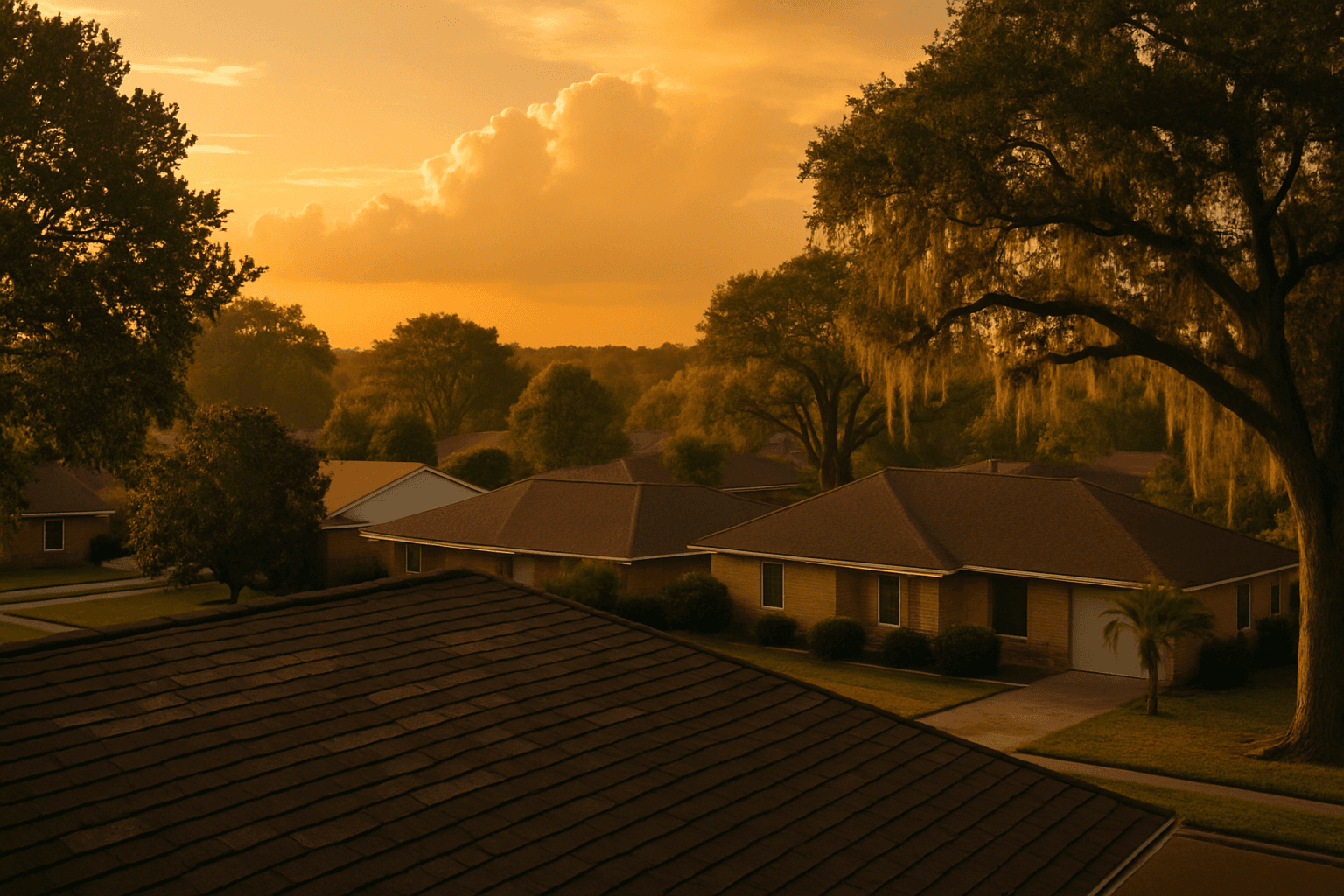
Florida sits in IECC climate zone 2A with the highest hurricane-wind exposure in the country and a UV/heat load that ages roofing material faster than any other state in the continental US. The combination of named-storm wind, year-round thermal cycling, and a chronically litigated insurance market produces a roofing reality unlike anywhere else. The median replacement cost is $14,000 (2026 median, range $10,500–$22,000), with concrete tile at roughly 22% of the market — second only to architectural asphalt at 52% — because tile rides out hurricane wind and intense sun better than shingle.
Post-2022 insurance reform: the one-year hurricane deadline and the AOB shutdown
Florida's homeowner insurance market went through a regulatory reset in late 2022 and 2023 that homeowners and most contractors still haven't fully internalized. SB 76 (2021) and SB 2-A (December 2022 special session) collectively did three things that change how a Florida roof claim has to be handled. First, the deadline to file a new hurricane or windstorm claim was shortened from three years to one year from date of loss. Miss the one-year window and the claim is dead, regardless of how visible the damage is. Second, attorney fee-shifting in property-insurance lawsuits was substantially curtailed under HB 837. Third, Assignment of Benefits (AOB) — the practice where a homeowner signs over insurance rights to a contractor in exchange for a "free roof" — was effectively shut down for residential property claims. Any contractor now asking you to sign an AOB on a hurricane claim is either uninformed or operating on the edge of the new statute.
Hurricane percentage deductibles do most of the work
Every Florida homeowner policy carries a separate hurricane deductible — typically 2%, 5%, or 10% of dwelling coverage — triggered when the National Hurricane Center names a system affecting Florida. On a $400,000 home with a 5% hurricane deductible, that's $20,000 out-of-pocket before the carrier owes a dollar. The standard all-other-perils deductible might be $1,000 or $2,500. This explains why so many Florida hurricane claims are smaller than homeowners expect: a Category 1 brushing storm produces $15,000 in shingle damage, but the deductible is $20,000, and the claim closes at zero. Read the declarations page every June, before peak season.
Solar economics: still better here than most places
Florida exempts residential solar equipment from both state sales tax and property-tax assessment, and still operates full retail net metering through investor-owned utilities — meaning every kWh exported to the grid earns the same retail rate the homeowner pays for kWh consumed. With the federal residential ITC expired on December 31, 2025, Florida's combination of strong solar resource, full net metering, and the dual tax exemption keeps residential solar economics meaningfully better here than in most states. The honest caveat: the panels go on top of a roof that has to last 25 years under hurricane wind and Florida UV. If your roof is over 10 years old, replace it before installing the array — re-roofing under panels is $3,000–$5,000 of extra work.