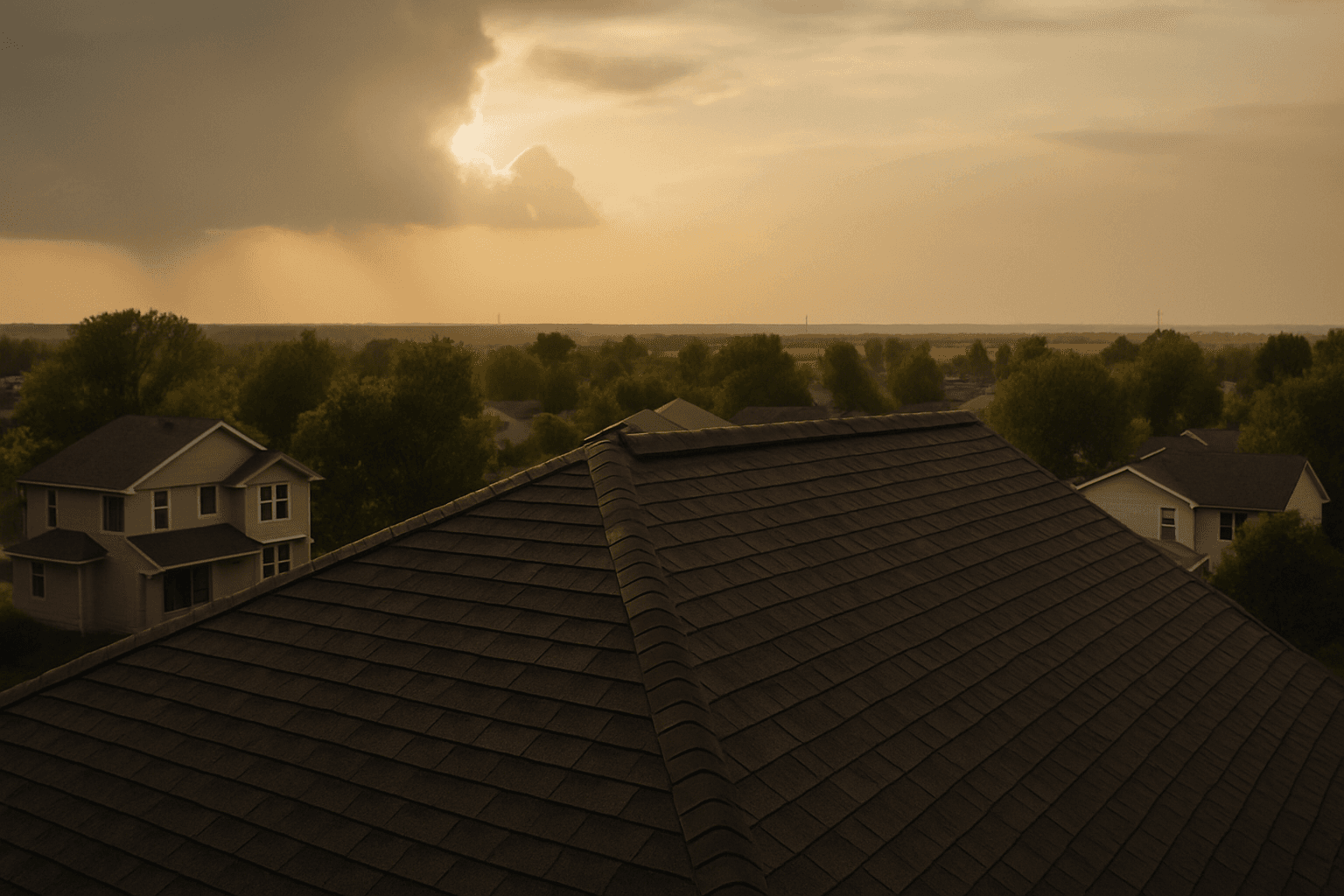
South Dakota sits in IECC climate zone 5A and lands in the Extreme tier on NOAA hail-event aggregate data — and unlike most extreme-hail states, it does so without any state-level licensing of roofing contractors. That combination is the single most important fact a Sioux Falls or Rapid City homeowner can know before a storm arrives. Replacement costs run $9,000–$17,500 (2026 estimate) for a 2,000 sqft asphalt roof, with a median near $12,000. Costs land below the national median because labor and logistics are favorable across the plains, but the frequency of major hail and severe-wind events runs well above the national norm, and the storm-chaser pattern that follows is among the most aggressive in the country.
Why "no license required" matters more here than almost anywhere else
South Dakota is one of a small handful of states that does not license roofing contractors at the state level — and unlike Indiana or Missouri, there is no consistent county-level fallback either. Some municipalities (Sioux Falls, Rapid City, Aberdeen) maintain local registration and pull-permit requirements, but a contractor working in unincorporated land may face no formal credentialing whatsoever. After a major hail event in the I-29 corridor or the Black Hills foothills, out-of-state crews appear within days, sign homeowners to assignment-of-benefits agreements, and disappear once the claim closes. The honest move is to verify the contractor's business address has been physically located in South Dakota for at least three years, confirm general liability and workers' comp coverage in writing, and call your municipal building department to confirm whether a permit is being pulled.
Wind/hail percentage deductibles compound the licensing problem. A 1-2% wind/hail deductible on a $300,000 home is $3,000–$6,000 out-of-pocket before the carrier pays the first dollar — and that's before depreciation if your policy carries an ACV (actual cash value) endorsement on the roof. ACV pays the depreciated value of the damaged shingles rather than replacement cost, and on a 12-15-year-old asphalt roof the gap can easily exceed the deductible itself. Read the declarations page before the next storm, not after.
Solar in 2026
The federal residential solar Investment Tax Credit expired December 31, 2025. South Dakota has no surviving state-level solar incentive program — no SRECs, no state tax credit, no statewide rebate. Net metering remains available statewide under most utility caps, and avoided electricity cost is the only real driver of payback now. For most South Dakota homeowners in 2026, the more leveraged dollar goes into the roof system itself — particularly a Class 4 impact-resistant asphalt or standing-seam metal install in the hail-extreme counties — than into a residential solar array without the federal credit and without any state incentive layer to fill the gap. This is reference, not a quote — your specific replacement cost depends on pitch, layers, decking condition, and access.